When Mike died in 2012, I went to a support group for people who had spouses/partners that had died. A man shared that the first year is hard, but the second year is harder. It had only been six months since Mike’s death, and this was not something I wanted to hear. However, I was later grateful to know that the pain I was experiencing was normal. Still, I wouldn’t say I liked it, but it helped.
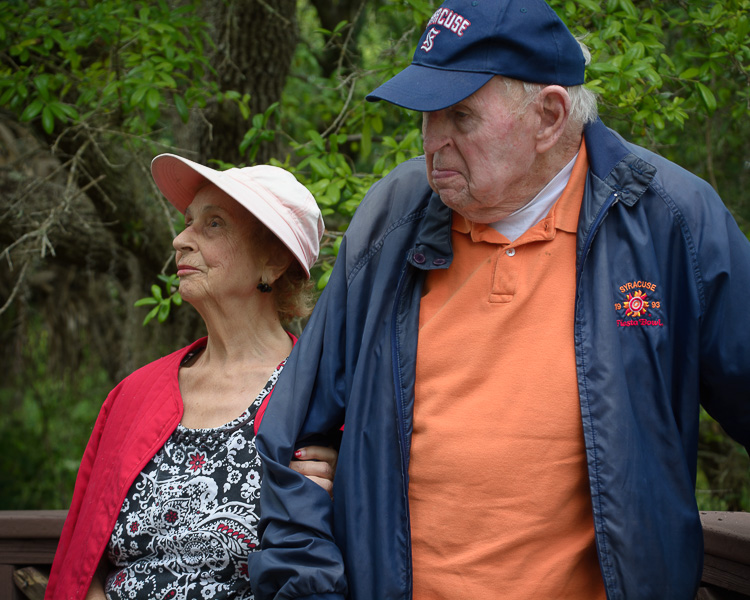
In 2022, my mom and dad died six months apart. Dealing with my emotions at my mom’s death while simultaneously supporting my dad was overwhelming. But I still had my dad to talk to on the phone. Because we lived 2500 miles away from each other, I didn’t really grasp how fast he was declining. From my experience, I knew the impact a spouse’s death can have on your ability to think clearly and remember things. Looking back, I think another huge factor was denial. The thought that my dad could die so soon after my mom was too hard to take in. When I did go to Syracuse to stay with my dad and help my sister care for him, the reality of his decline was no longer deniable. July 24th, dad would take his last breath. I was now an adult orphan.
The grief and anxiety that followed both mom and dad’s death were devastating. It was even more complicated after dad’s death because I still hadn’t had time to come to terms with mom’s dying, even though her death was expected. The only time I had a break from the grief was when I caught covid a month after dad died. During that week, I was too sick to grieve.
The time leading up to mom’s 1st death anniversary was emotionally overwhelming. I was either crying or had a knot in my chest. I tried to intellectualize that I knew this was what was happening, but I had to let that go and feel my feelings. The actual date wasn’t as hard as the week before. My emotional system took a break, and I had moments of joy.
However, that was short-lived. Soon, the roller coaster of emotions began as the reality that mom was not coming back and the grief I had not let myself feel over her steady decline began to seep through. At the same time, I’m dealing with the moments that I shared with my dad last year. I’ll be on hold on a call and expect my dad to be calling to say hi. He was still alive last year, and I could turn to him for love and advice.
So, yes, the second year is challenging, but when it intersects with the first year of a loved one’s death, grief becomes more complicated. One of the tools I use when I’m struggling is to turn to my grief library. Reading offers me validation for my feelings and companionship, knowing I’m not alone in this pain and journey. I’ve also joined an online grief support group with many resources and online gatherings. I can’t stop the pain that comes when a loved one dies, but I can use these tools to help reduce the suffering.
Discover more from Beautiful Bittersweet Life
Subscribe to get the latest posts sent to your email.
 Beautiful Bittersweet Life