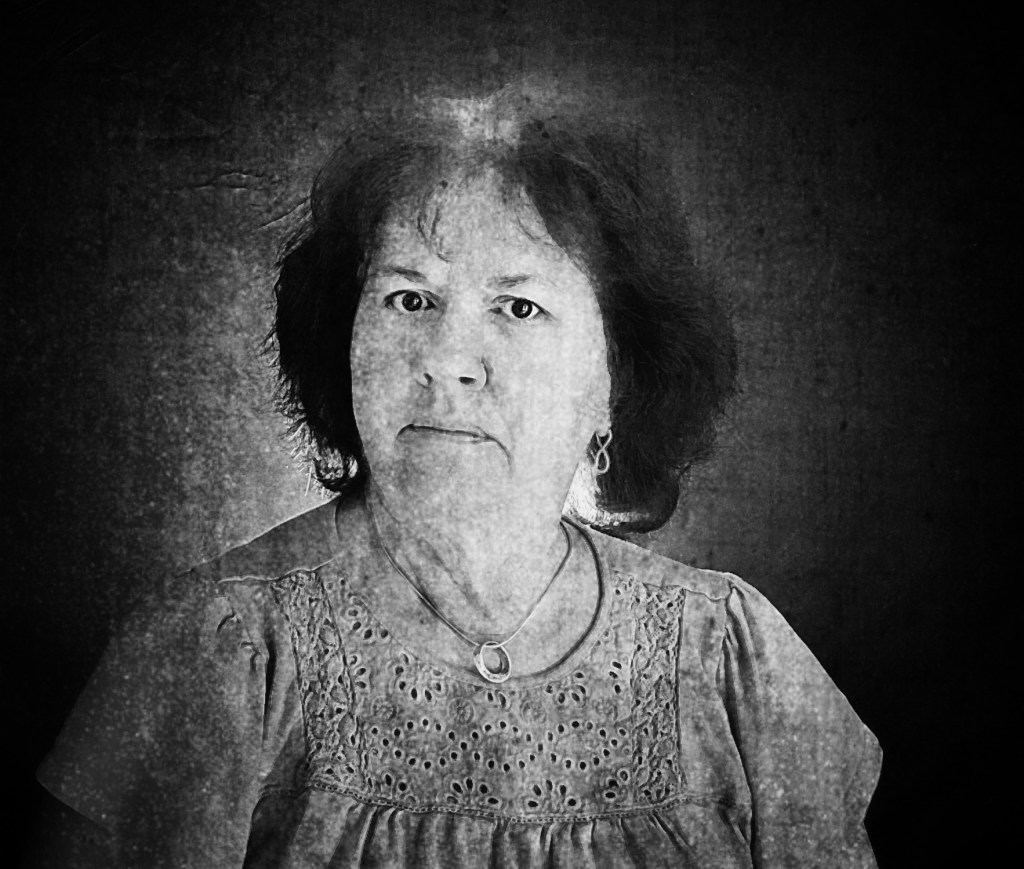
The top three grief experiences in order are the death of a child, spouse, and parent. The pain of my husband’s death is part of my DNA. But there is other grief that we encounter. One of them comes with developing and living with a chronic condition.
On May 27, 2020, amid the first wave of the pandemic, I developed vestibular neuritis. It started with severe vertigo and nystagmus, where the eyes make uncontrolled repetitive movements. Opening my eyes was excruciating, and I couldn’t walk without assistance. I’m sure the firefighters who responded thought I was on something, but I don’t drink or do drugs. Just pure bad luck! I ended up being transported by ambulance to the hospital. The trip was not great as no one told me which hospital they were taking me to, and the only thing I was told was not to vomit in the ambulance. Trust me, the last thing I wanted to do was throw up anywhere, but it was out of my control.
I ended up spending four days in the hospital with no visitors because of covid precautions. For the first 12 hours, the vertigo was severe, accompanied by vomiting. Even when the worst of it passed, I was still dizzy and had double vision. They would have probably sent me home earlier, but they didn’t want me falling at home because I live on my own.
The double vision lasted 12 days, I couldn’t drive for 10 weeks, and migraines until the end of the year. Fortunately, I found an ENT specializing in inner ear disorders and diagnosed vestibular neuritis. Unlike the dismissive ENT I’d seen the week before, he listened to my symptoms, did some balance tests, and diagnosed me. What a relief! I also found a vestibular physical therapist and neurologist who were top-notch and well-informed. The only positive of having vestibular neuritis during a pandemic was that I wasn’t missing anything because there was nowhere to go and nothing to do.
Unfortunately, I’m now in the chronic phase of this condition. I had scarring in 2 of the three semi-circular canals of the right inner ear. It has affected my balance and ability to do things that I used to do for long periods: photography, computer work, hiking, just to name a few. It’s one of those invisible diseases, too. I look great on the outside but don’t always feel great inside. I’m grateful that I’m better than I was, but my doctor told me I may never be where I was before developing this condition.
I do grieve the old me who could take off on a road trip on my own and explore. Planes are out of the question, so I can’t visit my aging parents on the other side of the country. I can do photography, but I have to limit the time I spend doing it and the type of editing I want to do. The fun events I did before this- the Phoenix Film Festival and going to see live music- must be done in a much more measured way, or it’ll take days for me to recover.
Just like finding a support group for my grief after Mike died, I found support through vestibular.org. They have a wealth of information as well as videos and groups. Knowing I’m not alone on a challenging journey is always much better.
Discover more from Beautiful Bittersweet Life
Subscribe to get the latest posts sent to your email.
 Beautiful Bittersweet Life
Good idea about a support group 👏
LikeLike